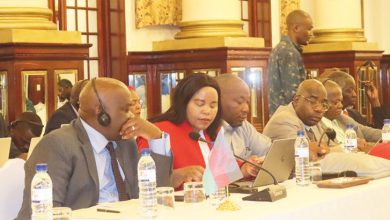
Parliament will start its Third Meeting of the 52nd Session in Lilongwe today with stakeholders urging legislators to channel their energy towards issues that will help bring down the cost of living.
The Parliament of Malawi announced that the third meeting will run from July 7 to July 31 2026 and focus will be on legislative business, national development, and government oversight.
But in separate interviews with The Nation yesterday, stakeholders highlighted main areas such as improving disposable income for most Malawians struggling with low earnings and a heavy tax burden, the impending El-Nino and handling of Malawians fleeing from anti-migrant assault in South Africa.
They also mentioned the investigation into the acquisition of Amaryllis Hotel by the Public Service Pension Trust Fund, status of the reformed K5 billion Constituency Development Fund (CDF) and tuition fee adjustment in public universities.
Despite a recent reduction in fuel, the cost of living has continued to rise, including fees in public universities alongside farm inputs, a situation that has worsened the plight of the poorest Malawians.

affected. | Nation
In a written response yesterday, Lilongwe University of Agriculture and Natural Resources (Luanar) agriculture economist Horace Phiri said he expects to hear the state of readiness and measures to reduce the impact of El Nino on Malawians.
“Issues of returning migrants and how they will be reintegrated in society. Farming in some areas is supported through remittances from South Africa, so affected households may need some support,” he said.
Concurring with Phiri, another agriculture economist Steve Kayira said increasing prices of fertilisers, seed, agrochemicals, fuel and other farm inputs threaten productivity, food security, and rural livelihoods and need attention.
He said: “Beyond input affordability, I would expect MPs to discuss strategies for strengthening agricultural financing, expanding irrigation, investing in agricultural research and extension services, and improving market access and rural infrastructure.
“The government should ensure that preparations for the 2026/27 farming season begin early, with timely procurement and distribution of farm inputs to avoid the delays experienced in previous seasons.”
Economist Christopher Mbukwa, who teaches economics at Mzuzu University , said the food security and climate preparedness should include deliberations around winter farming, irrigation, National Food Reserve Agency (NFRA) and Agricultural Development and Marketing Corporat ion (Admarc) operations to prevent food shortages.
He said: “There is need for MPs [members of Parliament] to get responses on what government is doing to stabilise the foreign exchange shortage and commodity price stabilisation and get from government how it will continue to tame foreign exchange shortages but also inflation.
“With impending El Nino, it is important to discuss how to strengthen the social protection programme aimed at helping low income households. We also need government to provide a plan to protect the low income households.”
From the civil society perspective, National Advocacy Pl at f o rm cha i r per son Benedicto Kondowe called for considerations on the Amaryllis probe, status of CDFand fees adjustment in public universities.
“Parliament should bring closure to the Amaryllis Hotel matter by considering the Public Accounts Committee [PAC] inquiry report on the procurement and acquisition process.
Centre for Social Transparency and Accountability executive director Willy Kambwandira, in a separate interview, also said he expects Parliament to confront soaring cost of living, youth unemployment, declining public service delivery, weak oversight of public resources, and growing corruption and procurement scandals.
Malawi’s monthly cost of living eased by 3.3 percent between March and May as maize supplies pushed down food prices, but households still need nearly K1 million a month to meet basic needs.
The Centre for Social Concern basic needs basket report published last week shows that the average monthly cost of living eased from K1.02 million in March to about K987 844 in May, mainly due to seasonal declines in maize prices.
The monthly cost of living figure is almost eight times the national minimum wage at K126 000, which came into effect on June 1 this year.
Malawi has registered mixed fortunes in the fight against poverty with its levels on the decline, but the number of people living in extreme poverty in on the rise, according to findings of a National Statistical Office (NSO) Sixth Integrated Household Survey released last month.
The survey also paints a grim picture of food security. The proportion of households experiencing food shortages rose from 48.4 percent in 2010 to 75.7 percent in 2024, meaning three in every four households now face food shortages. Ironically, State food agencies, NFRA and Admarc are yet to be funded to buy produce and sell at recommended prices.